Vexacious Sims 3 Vexillology
Time to update my long running fascination with coming up with flags for various parts of the Sims 3 world, in accordance with the altered version of HazzaPlumbob’s map used to come up with our Simming stories’ ‘world’.
As well as the various nations, our gaming universe has a series of united or semi-united groupings of lands linked usually to their creators, but sometimes grouped for other reasons.

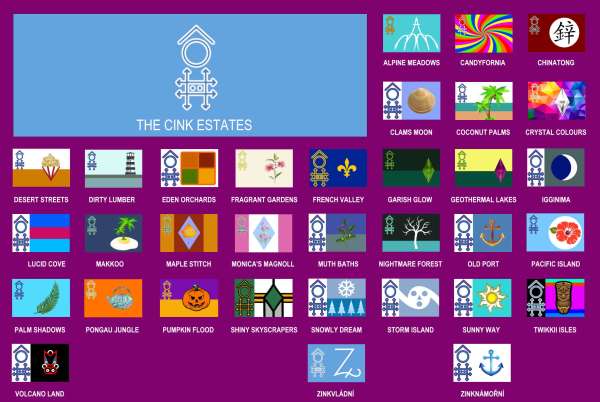

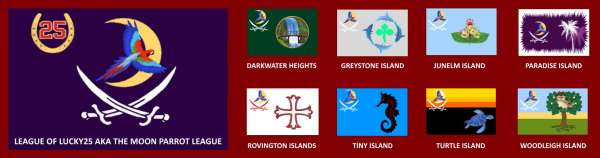

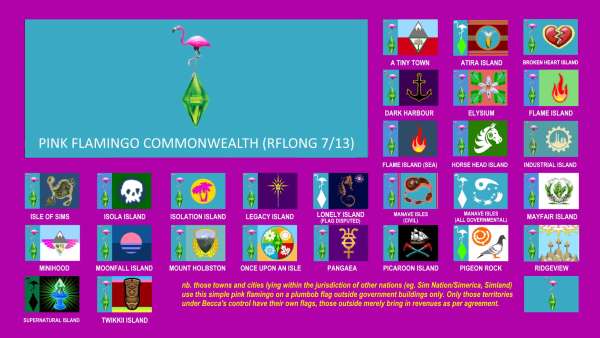

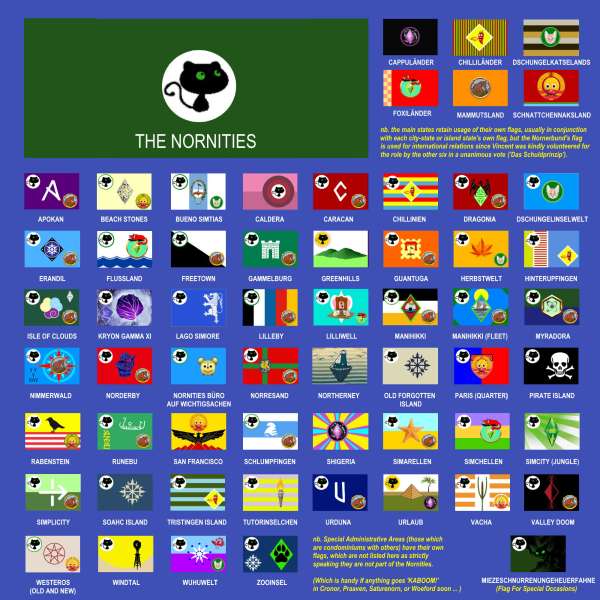

Still to do the ones for Cink Sims, albeit not for all of them as only some of his worlds remain up for download (he was never exactly thorough with looking after his Sims 3 legacy, to be honest, and some of his worlds left a lot to be desired – he being a purveyor of quantity over quality all too often).
More to come!
Update 26th September 2022: Flags for those world’s of Cink’s still in existence added.
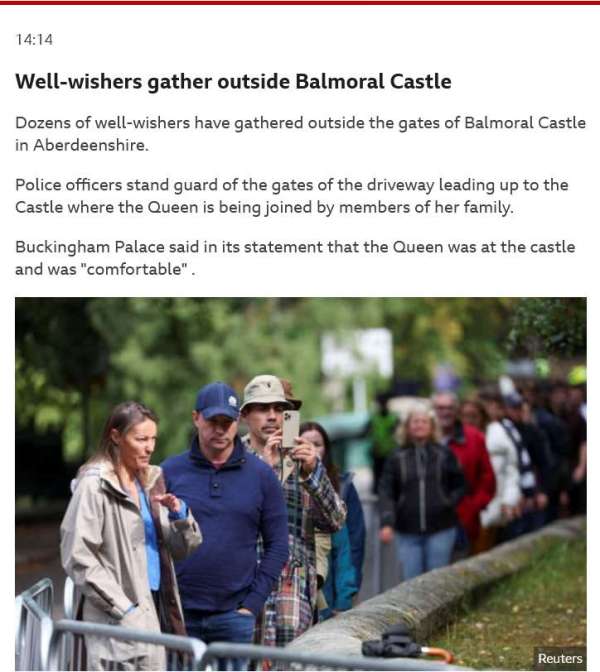
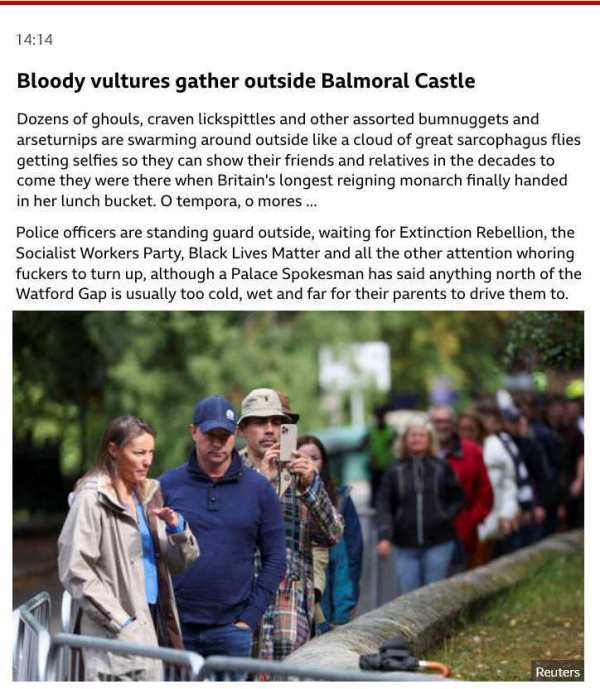
Vultures Circuling At Balmoral
What the BBC’s Live website said:
What it should have said:
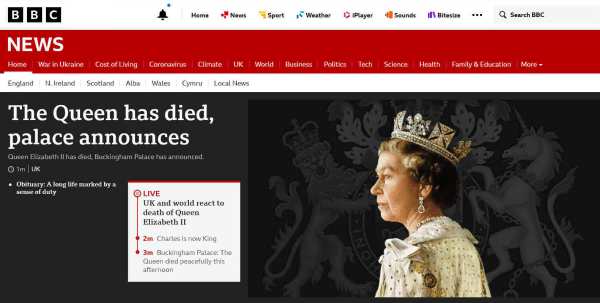
P.S. Oh shoot, didn’t see that one coming!
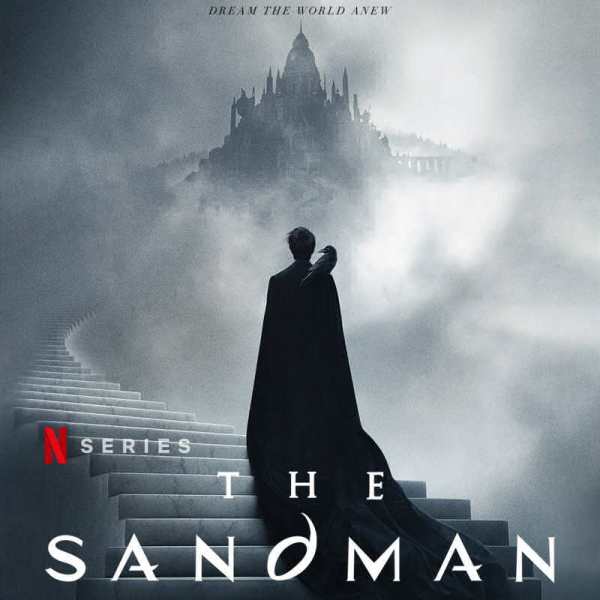
Netflix ‘The Sandman’ – A One Way Trip To The Planet Snooze
You can put in all the diversity you like, action all the woke bullet points you like, pander to all the screechiest ‘rights’ groups in the zeitgeist you like.
But a badly done series is a badly done series, no matter how many boxes you tick in order to give yourselves some ready made excuses that all your critics are ‘just racist’, ‘just homophobic’, ‘just transphobic’, etc – the cold hard truth is you are fooling no one but yourselves that you cut corners and served up a bloody dog’s breakfast.
I wanted so much for this to be good. Having used part of lockdown to complete reading the whole damn thing from start to finish (some bits are better than others, and it is fair to say it became apparant he’d grown bored with the project long before it was put out of its misery), I was prepared to accept there would be changes, not least of all because of the move of formats, and tweaks to the storyline to offset past regrets at the original writing and the plotholes which naturally come with such an Edda.
But after the first series, the reported leaking of ‘A Dream Of A Thousand Cats’ – the Twilight Zone meets Tales Of The Unexpected style intermission to the main saga (and one of the most celebrated of all the Sandman stories) indicates that for all of Gaiman’s ‘fuck you!’ bluster to his own fanbase, Netflix is panicking it has half-cooked another turkey and trying to keep everyone prepared to give the next series a chance – and you can’t blame them, after the almighty crash in its subscriptions in 2022, Netflix cannot afford all the investment it has purported to make in this show (pity most of it was dime store CGI) to be all for nothing.
What makes the smothering wokeness of the series even worse is the very real racism in the show – you know, the whole ‘blacks can only ever be attractive to and attracted by other blacks’ vibe in ‘A Hope In Hell’ and ‘The Sound Of Her Wings’ … who wrote the TV screenplays for this, Eric Cartman and Louis Farrakhan?
To a graphic novel series whose rich diversity of characters of all creeds, colours, genders, sexualities, etc, etc. came three decades before the social justice warriors began their Taliban style ruination of civilized society’s culture, this has been beyond insulting to watch, ever more so when Gaiman and his sycophants have had the almighty cheek to say those criticising it ‘clearly never read the original Sandman.’
Oh yes we damn well did – and that’s what makes this so unforgivable, to say nothing of Neil Gaiman insulting openly his own fanbase now he’s on Tinsel Town’s payroll and feels he no longer needs it. He should watch what’s happened to his old friend J K Rowling – another shameless plagerist creator who discovered the hard way what happens when you piss on your fanbase once too often.
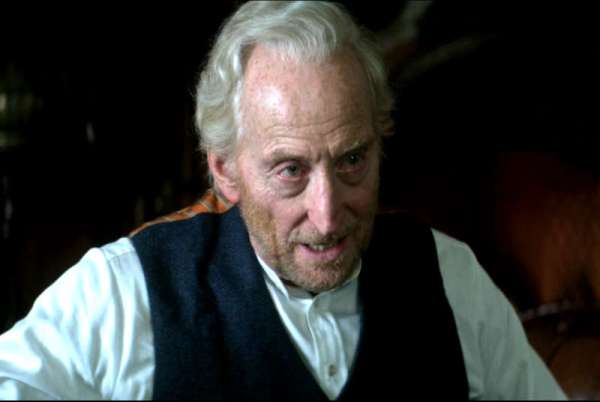
The first two episodes with the brilliant Charles Dance (has that man ever acted a scene badly in his life?) were wonderful, and Tom Kerridge’s slowburn Morpheus the Dream Lord superb as he waited his chance to escape.
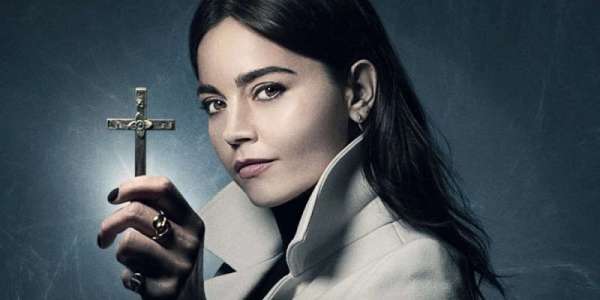
The alarm bells first went off with arch-rogue John Constantine’s character being merged into that of his ancestor Johanna Constantine for what appeared a cheap excuse to have Jenna Coleman do a lesbian scene for fan service. You can almost picture the directors glee – ‘hey, the hot former Dr Who girl! She’ll be up for it, she started her career as a teen lesbo regularly at it hammer and tongs in crap Teawop soap opera Emmerdale!’ – and who cares about the plot problems resultant?
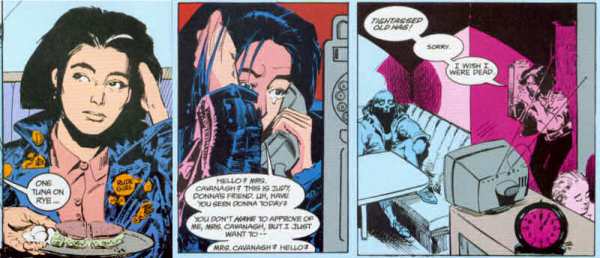
Contrast this with what ought to have been one of the most emotionally draining parts of the series, ‘24 Hours’ (renamed ‘24 and 7′), and fate hammering poor Judy into the ground after her break-up with Donna Cavanagh aka Foxglove after allowing her own fear of losing her to get the better of her temper (and if Donna thought Judy had issues, just wait until she discovers what her mousy little student neighbour Thessaly is like when she’s pissed!).
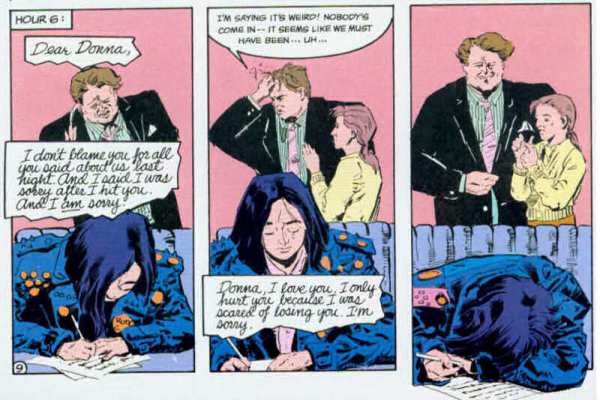
In the graphic novel, it’s heart rending to watch Judy’s biker jacket and short hair tough girl persona crumble as the hopelessness of her situation becomes apparent (she breaks down while trying to write a letter of apology to Donna for hitting her, in doing so clarifying to herself she’s blown it and there’s no coming back from what she’s done) – not least of all because Judy appears to be the only one in the whole diner who isn’t singularly in love with themselves, and left a wreck because of it.
It makes her later murder by John Dee (inducing her to commit suicide in the most horrific fashion of all his victims) all the worse to take in.
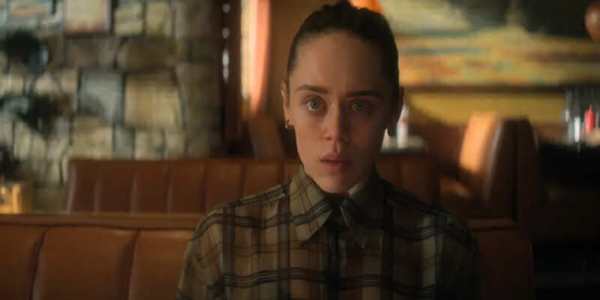
Instead of this, we have a Judy with the emotional range of toilet paper and ‘whatever, bro!’ delivery (played by the daughter of Giles from Buffy The Vampire Slayer and Nescafe Gold Blend – proof acting talent isn’t passed on via genetics …), quickly getting on down with the waitress as catharsis, a brief moment in the comic, but in the TV show … well, you can guess.
If this is Netflix and Gaiman’s idea of inclusivity, it’s clear they have learned zero from the clusterfuck The Chilling Adventures Of Sabrina collapsed into which saw the series abrupt cancellation from crashed viewing figures and messy ending that satisfied no one but the accountants as it self-indulged minor character Lachlan Watson’s real world self-loathing identity crisis in the scripts through ever more absurd plot twists until the show disappeared down the maw of its own absurdities.
The diner episode where Dee (who is nowhere near the sympathetic character portrayed by David ‘Remus Lupin’ Thewlis in the show) toys with, tortures and finally induces suicide in his victims (whilst outside the world plunges into chaos at Dee’s bidding) is a turning point in the Sandman series, letting the reader know how much this is an other world every bit as red in tooth and claw as our own – in fact even more so, and with humour equally as black as pitch.
Yet one of the most famous gallows humour moments of the series which takes place during the Diner grindhouse affair is completely omitted – a blackly comic moment which made what is a heavy going, depressing sequence of events bearable – that of John Dee remotely f**king up ‘Dino’s Kid-Vid Playhouse’.
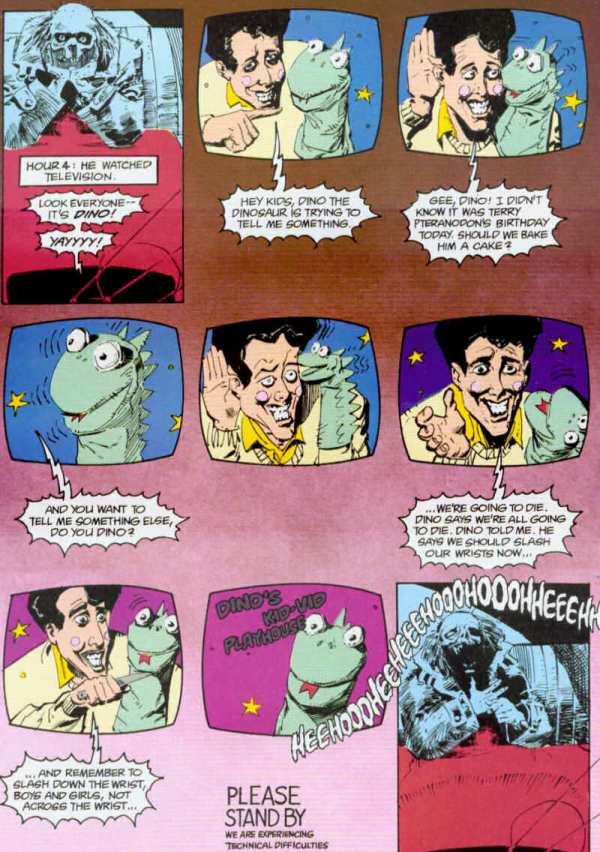
Generations of casual readers have been flung out of comic stores and bookshops screaming with laughter from this one page – for some it started their love affair with The Sandman series and its whole mind-twisting ride.
Yet Netflix left it out, afraid it would fall foul of some ‘sensitivity awareness’ gatekeeping skeets. Leave out the references to suicide in case someone gets ‘triggered’, but keep in the serial killers showing off the trophy eyeballs ripped out of their victims. Go figure.
Another victim of this wokery was the erasure of the Wood of Suicides, one of the most poignent moments in The Sandman. Those who die willingly by their own hand are turned into trees forever in abscission in Hell, never free from their suffering. The Dreamlord remarking once it was merely a grove, but in time has become a forest …
What The Hell Is This … Hell?
Yet long before reaching this rubicon and seeing it was a sewage overflow, the warnings were all too apparant. ‘A Hope In Hell’ – one of the most powerful early parts of The Sandman series, one which set the tone and meter for the entire series in the vastness of its breadth – only for the telly version to promise mountains and delivered molehills.
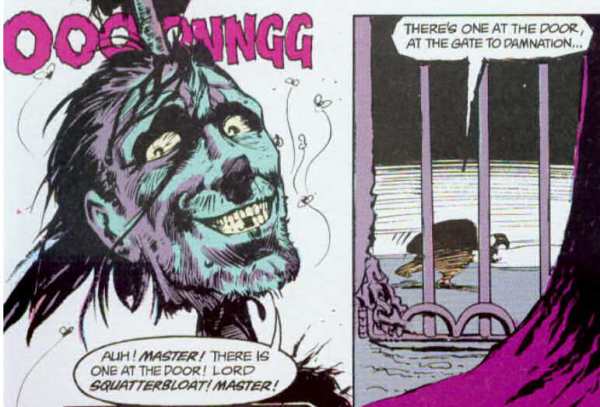
Right from the start where Squatterbloat’s ‘There’s Always One At The Door’ routine is done flat and functional, you just knew this was not going to deliver. The original is a lovely parody of another parody – Shakespeare’s very own ‘The Porter At Hell’s Gate’ comic relief moment within the horror of Macbeth.
It takes superb writing for a character to have but one moment, yet be memorable, and this one delivered in spades. From the smiling rotting head ignoring the flies to call obsequiously to a nightmarish demon who quickly transpires to be every jobsworth gatekeeper there’s ever been in existence – right down to creating his own self-amusing ditty as he goes to perform his sole mundane duty with all the friendliness of a chav’s shark-on-a-lead dog – it is brilliant, brilliant writing, which deserved better than the treatment it received from Martyn Ford, who despite also getting the lines of another character merged into his own, that of the far more subtly malicious Etrigen (the former demon of the wizard Merlin), he may as well not have bothered turning up to play his lines.
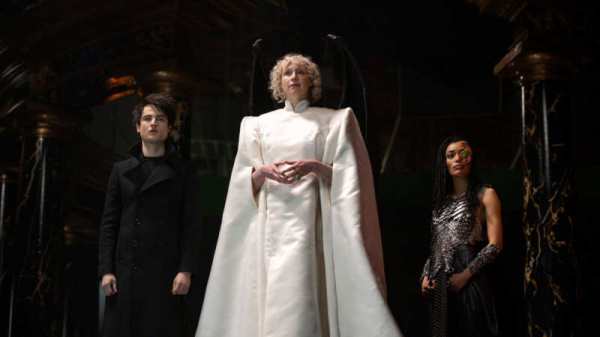
This flat treatment of the material characterises the whole episode, what ought to have been one of the blockbuster moments instead became bargain bucket. Gwendoline Christie’s Lucifer was a complete disgrace and she was certainly guilty of not bothering her arse trying. Everyone know what’s she’s capable of from her outstanding performance as the chivalric Brienne of Tarth in Game Of Thrones. Instead it seems she knew only too well she was chosen for a bit of genderbending and could collect her fee no matter how keck her performance – and, oh, what a let down the end result!
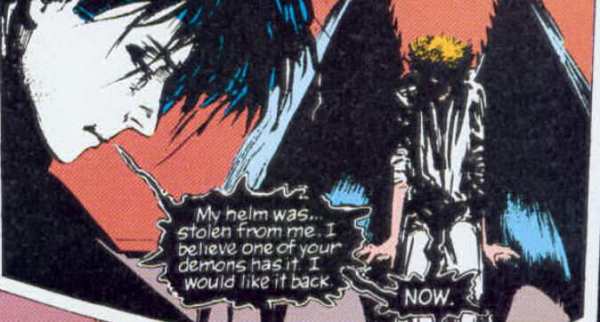
The initial meeting between Lucifer Morningstar and Dream is one of The Sandman’s masterpiece set-plays – polite and cautious in the former (which to anyone familiar with Devil lore would have raised an eyebrow), terse and formal in the latter until the delivery of a subtly threatening ‘NOW!’
Yep, the Lord of Dreams has just delivered an ‘or else!’ to Satan no less – one of those delightful moments of ‘things are not always what they seem, put your preconceived notions to one side’ which The Sandman excelled at: taking well worn cultural ideas and bending the rules without breaking them.
In this particular case, we swiftly find Lucifer piece by piece having to confess he’s no longer the grand dictator of Hell (after one lost battle too many) is another beautifully written sequence butchered by bad adaptation and couldn’t care less delivery – Lucifer indeed even remains Hell’s autocrat, rather than being part of a triumpherate with Beelzebub and Azazel.
The demon Choronzon (whom Dream is forced into a battle of wits for his helm) looked and sounded stupid enough to be a Sims 4 player, rather than the smart double-mouthed smart-ass antagonist with affectations of ‘coolness’ in the comic. The formal challenge sequence was monotonous when it should have been an opportunity to really let the CGI let rip into What Dreams May Come and The Lovely Bones reality bending, and the battle’s aftermath forgettable (even though Lucifer attempted a double-cross of their guest). One could almost call the depiction sinful.
A Fate Worse Than Death’s
But the real deal breaker for many before the show even came out – to others a ghastly portend of the farrago to come – was the actress cast to play the second most important character of the entire The Sandman series – and one of the most important in comic history.
The psychopomp of Death has been one of the great staples of human literature and art for millenias, but only a select few have risen to noteworthiness (and a billion copycats) in their own right – indeed only three in the last century have risen to become definitive archetypes in their own right: the enigmatic chessplayer of Bergmann’s The Seventh Seal ; Terry Prachett’s booming Time Lord style Grim Reaper in The Discworld series where – like The Sandman – no trope however sacred was safe; and Neil Gaiman’s Siouxsie hairdoed sweetheart – who completely threw out the rulebook.
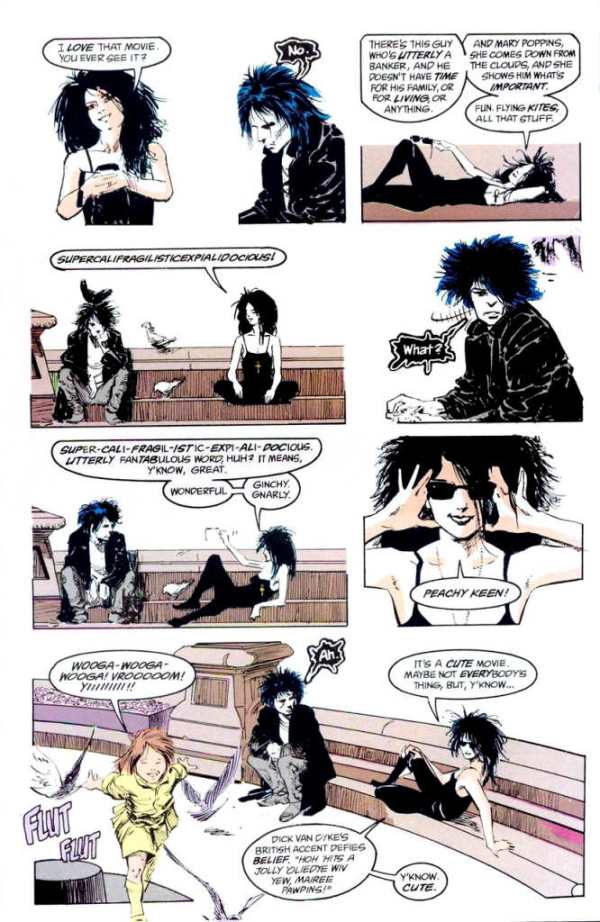
First appearing in the series finale ‘The Sound Of Her Wings’ to the first Sandman graphic novel, Death completely stole the show. Appearing as the stereotypical doom laden morose Goth chick, this Death was charming, kind, witty and utter, utter fun – the all-wise sibling everyone wished they’d had to grow up with; the antithesis of the ominous persona of Death that had reigned supreme up until that point in the zeitgeist – and the epitome of that ‘Hope’ which Morpheus spoke of when he won his battle of wits in the plains of Hell with Choronzon.
You don’t mess with a cultural icon, least of all in its screen debut, and that Gaiman had decided without warning to give the part to someone who didn’t look remotely like Death (whereas Dream looked exactly the same as they did in the novels) was never going to end well as fans of the books saw what amounts to the worst aspects of Uncle Tommism.
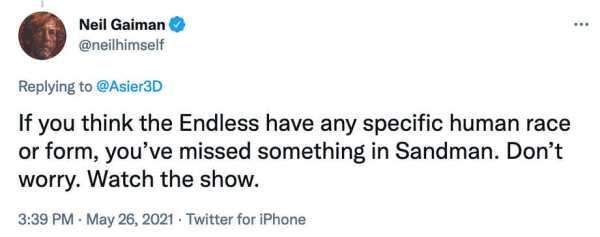
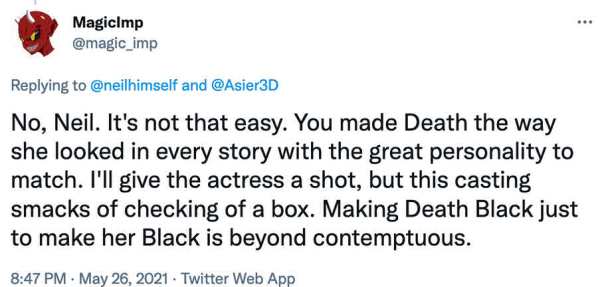
There was already a long overdue backlash under way from Black Whines Matter’s transparant attempts to evolve into another American Humane Society style bunch of shake down hucksters, upon whom everything on screen would be dependent on their blessing to ever be ‘allowed’ to make it to public view – little more than moralisation protection racketeering – and the notion that one of the most inclusive bodies of work was kowtowing to it under threats of being called ‘racist’ was a red rag to a world of bulls.
Especially since, as per usual, the race hustlers in question demanding ‘positive discrimination’ was one – just like whitey- already ludicrously overrepresented visually in TV and film at the expense of just about every other.
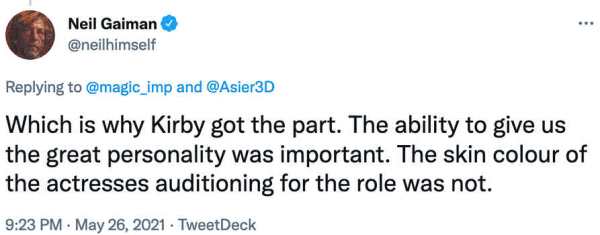
A number of fans were particularly angry at Gaiman because the physical characteristics of Death were modelled at his request by a girl called Cinamon Hadley – whom had died only a few years earlier at a tragically young age from cancer.
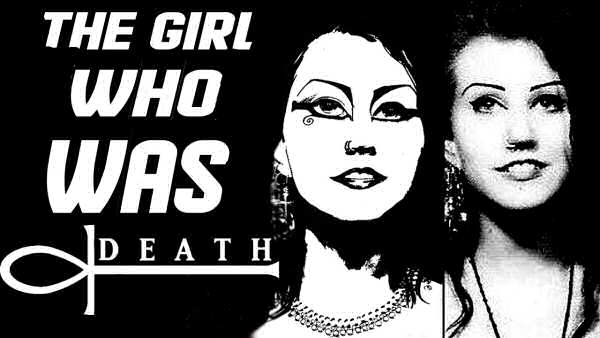
It seemed to them an open slap in the face not merely to the fanbase, but also to the memory of someone whose trademark look had made him very rich. Some even snarked that if Gaiman felt so strongly about representation, why had he not made the title character black as well … the character whom in the books bore a remarkable physical resemblence to Gaiman himself.
What made matters worse was that Neil Gaiman was just about to be hanged, drawn and quartered by his own petard from only two years prior.
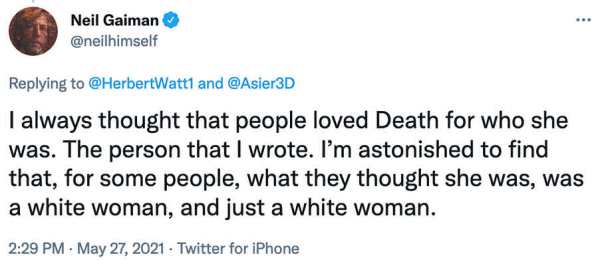
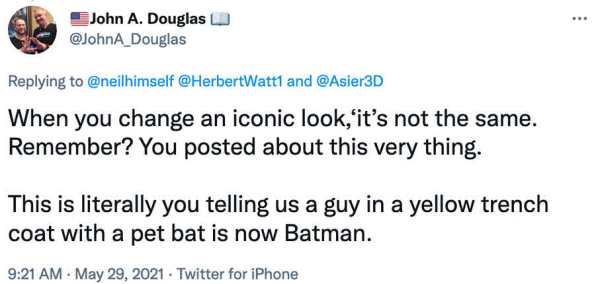
The interview in question John A Douglas is referring to?
When ‘The Sound Of Her Wings’ came out, it was everyone’s worst fears come true.
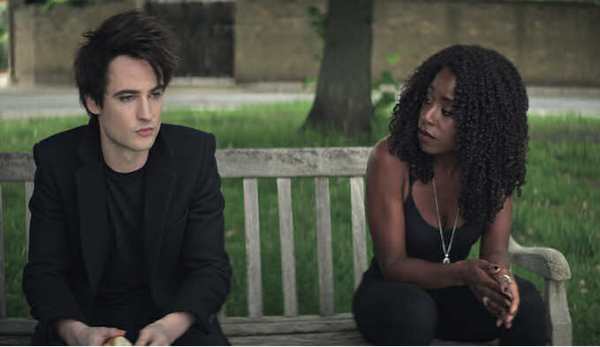
Kirby Howell-Baptiste wasn’t just bad, she was spectacularly bad. Yes, these were big shoes to fill, but she played the part as convincingly as an infant shuffling around in her mum’s stilettos pretending to be a grown-up. Skin colour was just about the least of the show’s worries, here was a thirty five year old purporting to be a nineteen year old (physically …) and whose only long term TV role or major part had been five years before (Killing Eve).
It was a recipe for disaster from the start, and so it proved, as Howell-Baptiste’s sing-song delivery and emotional nuances of dried suet would have been unacceptable in a school play, never mind a season’s flagship production’s top co-star character.
They even cut out Death’s impression of Dick van Dyke’s atrocious attempted Cockney accent mangling ‘It’s always a jolly holiday with you, Mary Poppins’ – because Howell-Baptiste hadn’t the talent to do it … in which case why the devil’s spotty bottom did they employ her in the role?
‘The Sound Of Her Wings’ was a disaster: played through with much the same box-ticking of the key moments with barely any feel for the material (one of which was a cot death for pity’s sake!) This was an episode about death for crying out loud – it demanded some gravitas, some extra special effort on the part of the players. They didn’t even try.
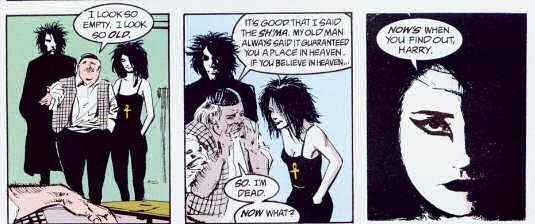
This ought to have been an episode both emotionally draining and utterly uplifting – just like the original, which received so many plaudits (its publishers were overwhelmed with letters of support from not merely people who had lost loved ones, but those who were terminally ill) that Gaiman found himself forced to give Death not merely another outing all of her own come ‘Dream Country’ in the next series of stories, but several spin-off comics as well. She even was a central plank to the AIDS Awareness campaigns of the late 80s and early 90s.
That’s how big an impact The Sandman’s Death had, and that’s why the treatment of her in the show is unforgiveable.
The last four episodes concern the second graphic novel The Doll’s House, and in all honesty I’ve lost the will to bother with it after the first dull episode. White blonde main character becomes black character? Trans character’s off stage actions in the book instead become a full tortuous fifteen minutes worth of them attention whoring? It will please social justice warriors with perpetual chips on their shoulder and their self-flagellating ‘allies’ who think the ignorant peasants need 24/7 education in RightThink at all times, but not the vast majority of the sane population who are bored to death with their entertainment becoming North Korean style indoctrination instead of a little thoughtful escapism from a shitty world.
That there’s talk about ‘cancelling’ the character of Thessaly – another who made such an impact she merited her own spin off series – for being ‘transphobic’ sums up the artistic eunach which Neil Gaiman has succumbed to for cash.
Netflix’ The Sandman deserves to flop. Stick to the graphic novels – for all their faults, they’re more worth your time.
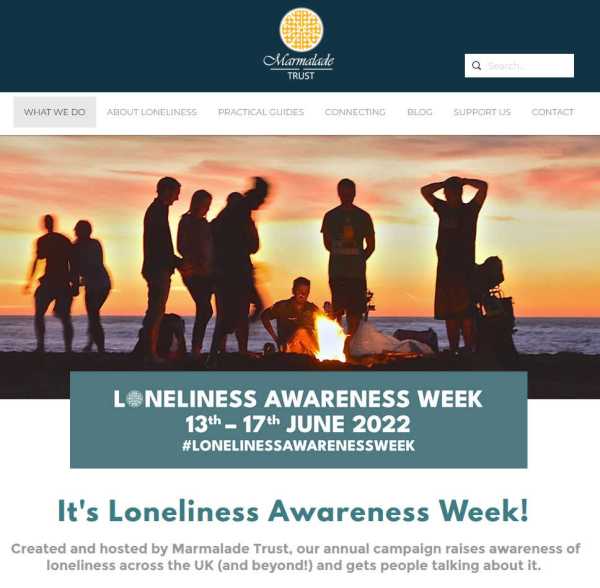
If it exists, there’s an Awareness Week dedicated to it – or a month if truly fashionable – just as there will be pornography of it and Lenny Henry finding it racist.
Wait long enough and there will be Can’t Make Up Mind What To Watch On Telly Anxiety Awareness Week.
Nothing it seems is safe anymore from the spotlight, especially if it is part of the rich tapestry of pretend illnesses for Generation Snowflake, who in true Huxley fashion are unable to function unless there’s a medicine to swallow for it and a head shrink to say ‘there, there diddums.’
Of course loneliness is an issue – for some. The issue however with Loneliness Awareness Week however is twofold.
1. Who the f**k appointed these skeets to be in charge of Loneliness Awareness Week?
Answer: no one. It’s another example of the self-important appointing themselves in charge, in the ultimate hope that at the end of it all someone in officialdom will start to fling taxpayers’ money at them for doing so.
2. No one appears to acknowledge – in a world of increasing collectiveness – the right of people to be alone anymore.
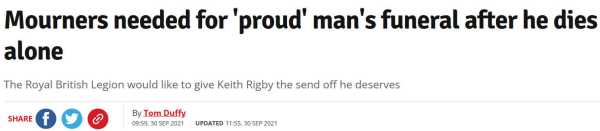
It was bad enough a few years ago, where the odious practice of funeral flashmobbing began. Living in peace and quiet alone in some care home in some obscure little village after a lifetime of seeing the horrors of two world wars and no one caring a flying duck about the contribution you made to your society, and you can be sure the moment you are dead some skeets will come along and turn your quiet farewell into a media and general arsehole feeding frenzy.
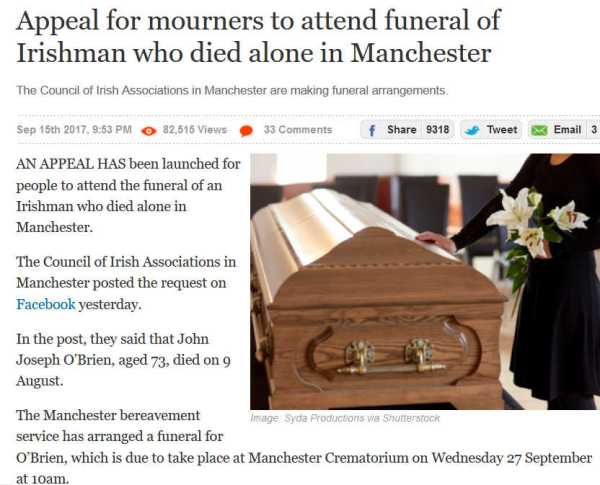
Not because any of them cared about you, but because they want to feel good about themselves, pat themselves on the back for being so ‘compassionate’ to a corpse, in much the same way a child is compassionate to a doll or stuffed toy – some of the emotion may be genuine, but ultimately it’s all just play, all just entertainment, in a society of fake emotions, fake science, fake sexualities, fake genders, fake morality, fake f**king, fake orgasms, fake food, fake, fake, fake.
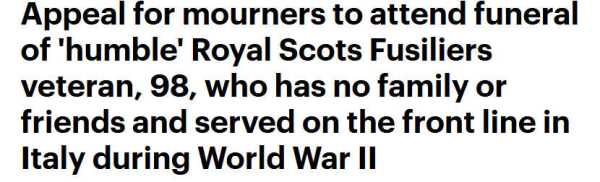
You can be sure these will be the same ones who find saying hello to their neighbours beneath them. It’s one of the things you notice about mainland Britain. Ireland has become just as bad. On the Isle of Man, Come Overs get very quickly put in their place if they start that skeetery. It is probably the same on most of the small islands around the British Isles – the sort of communities which cannot afford the prevalence of ‘urban’ attitudes where people are only interacted with in terms of immediate usefulness.
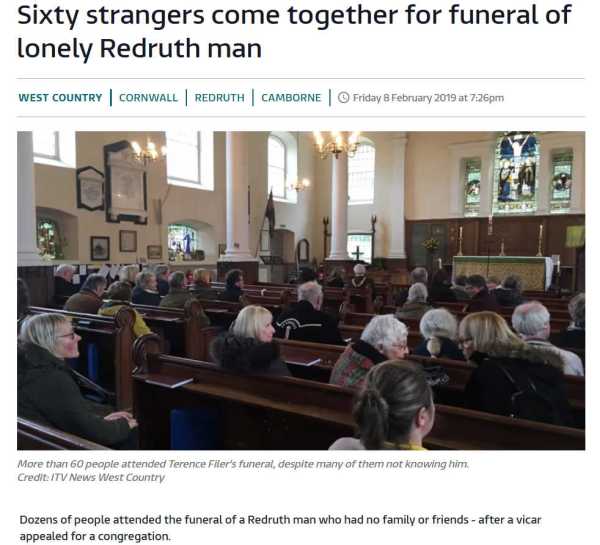
At least the dead are out of it.
The living meanwhile now have a society where no one is allowed to not want to be surrounded by people, to vomiting their every thought process to the world on social media and to everyone at their school, college, university, workplace, voluntary work colleagues … again, not out of any compassion but purely for seeking entertainment – everywhere and everything is a Big Brother, Love Island, etc. episode. If it was out of compassion, barriers would be respected, the little ‘I’m alright, thanks’ would not be treated as if you had just said, ‘go fuck yourself with a wire hairbrush you nosey bastard’.
Too far? Shyness is now listed by clinical psychologists as a mental illness. Let that sink in. Being a quiet, retiring type who enjoys their own company and privacy is now regarded officially as a threat by society at large.
It is officially classified as ‘Social Anxiety Disorder.’ You have to be at least somewhere on the autism ‘spectrum’ too. There are pills for it – nefazodone (which destroys your liver), venlafaxine (which causes mood swings and headaches) and sertraline (which can cause feelings of electric shocks). The punishment pills of a world which increasingly will not leave you alone.
Covid 19 was a blessing for the shy. At last, a world determined to be in your bloody face every chance it got forced to piss off. A first world in blind panic at not being able to voyeur at every little thing you do and expecting you to join in the great Mass Observation of a society where every day is a Happening.
Now the old world is back. But only if we let it. Not me.
Don’t wanna be the bad guy,
Don’t wanna make a soul cry,
It’s not that I love myself,
I just don’t want company,
Just me myself I,
Me myself and I,
Just me myself I.
I sit here by myself,
And you know I love it,
You know I don’t want someone,
To come pay a visit,
I wanna be by myself,
I came in this world alone,
Me myself I …
Watching a re-run of ‘Prisoner Of Azkaban’ on Sky Cinema brought to mind a matter which appeared to have escaped the attention of the Harry Potter fanbase all these years (no surprise there), and that is Bem is responsible for some of the most racist moments in the entire Harry Potter series.
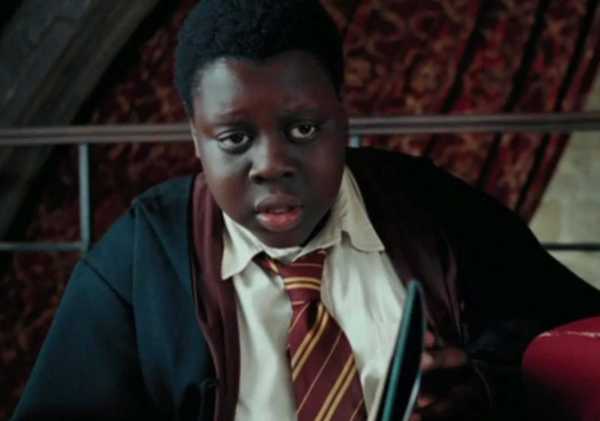
This non-canonical character has two pieces of dialogue in this film.
The first part being ‘Taking the form of a giant spectral dog, it’s among the darkest omens in our world.’
Later on, when Seamus Finnigan (the series’ Irish-are-all-bomb-making-terrorists stereotype – forever being blown up …) announces that Sirius Black had been seen, what does Bem say?
‘Black could be anywhere.’
They could have given these lines to any other character, yet they chose to give them to a non-canonical extra who never even appeared in the later movies, contrary to the myth.
(Ekow Quartey has tried to claim he was in ‘Order Of The Phoenix’, but the extra black kid in Dumbledore’s Army in ‘Order Of The Phoenix’ was future X-Factor star Paije Richardson – see below – no idea who the Hufflepuff is, could have been Sara Bispham who played Sally Anne Perks, the infamous ‘missing’ Hogwarts student).
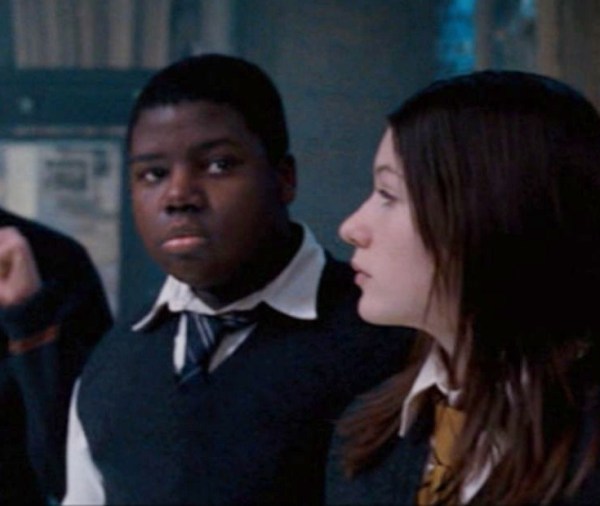
This is more than some actors who appeared in the entire eight movies, including Dean Thomas:
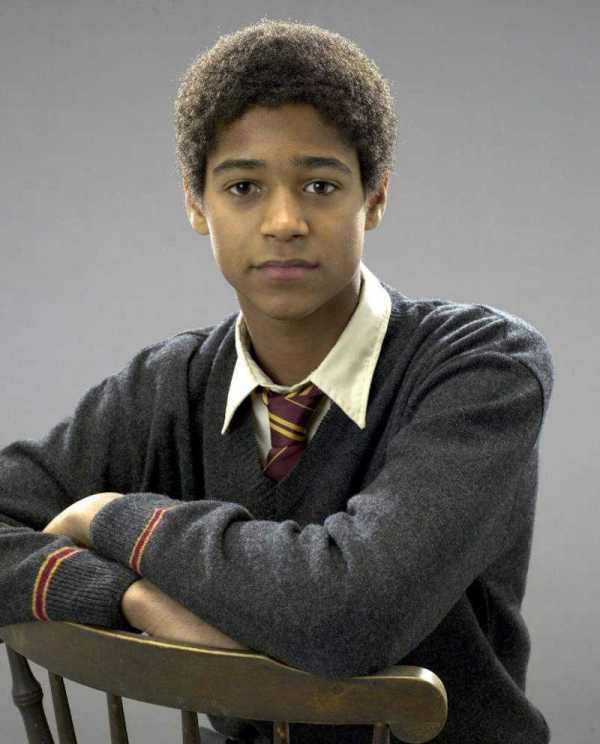
The Harry Potter series had attracted criticism from the race relations industry due to the lack of dialogue being given to its black characters – even though Lee Jordan commentated the Quidditch matches exclusively in the first two films.
In the case of Dean Thomas they had a case certainly – it remains beyond belief Alfred Enoch never uttered a single word in the whole series, as the tallest Hogwarts student actor, it wasn’t as if he was easy to miss onscreen either!
But instead, the new people who took over from Christopher Columbus decided to add in for one movie an overweight extra with bloodshot eyes for what appears to be no other reason than to placate the moaners, and with two pieces of dialogue which looked suspiciously like – in a manner open to interpretation – they were making a cheap racial jibe en passant.
It’s very hard to resist the conclusion the new broom at ‘Harry Potter’ did a little bit of cynical race baiting (and some fat baiting thrown in for good measure) – yet not a word was ever said.
Beating About The Bush

A number of newspapers have been publishing ‘wishes as facts’ stories this week about Kate Bush’s 1985 comeback single ‘Running Up That Hill’ becoming the Jubilee Number One – despite the midweek chart having it enter at a lowly No.73.
As matters stand, there’s more chance of Kunt And The Gangs latest offering, ‘Prince Andrew Is A Sweaty Nonce’ – already in the Top 40 at No.36 – of making the top, which still amounts to less than zero. Which should be a relief for them, as it would perhaps raise awkward public questions about the hypocrisy of a band making money by taking a moral high ground as much as the mickey when their last offering at Christmas – ‘Boris Johnson Is Still A F**king Cunt’ – put thousands in the pocket of multiple convicted paedophile Gary Glitter as a co-writer.
But that’s to digress.
‘Running Up That Hill’ has been airplayed to the point of tedium owing to its use in the opener for the latest (and perhaps last) series of ‘Stranger Things’, or, that weird show best noted for the disturbing amount of sexualisation of the child actors within it by social media and the popular press not seen since the days of ‘Harry Potter’. The kids are all grown up by now, so suppose the middle age masses have to latch onto something else about the show. ‘Stranger Things’ was always just ‘The Wonder Years’ meets ‘The Twilight Zone’, nostalgia porn for Generation Cynic.
But Kate Bush in particular is someone who inspires a quite preposterous level of praise, largely from white middle class journalists, and it is hard to escape the suspicion much of this is because she’s from the ‘correct’ background as themselves.
She has achieved Supermarine Spitfire levels of adulation superflous to the facts: a mere seven Top Ten hits (one shared with Peter Gabriel) – her last one being seventeen years ago, in itself her first since that duet with Gabriel nineteen years before. She even managed to win Best Female Artist awards during the 80s despite having not released anything new for years – it becomes less of a mystery once you learn in those days these ‘awards’ were often decided not by a public vote, but by panels of journalists. Her albums certainly sold by the platinum-load, but have you ever met anyone who actually plays them? Kate Bush ‘fans’ appear to be something akin to a cargo cult who buy her albums in religious adulation, wax lyrical about how much she is ‘above pop music’
For all the platitudes belched about ‘strong women, less sexism in music’, it’s strange the top icon for these White Knights Of The Habitat Table for decades has been this doe-eyed doctor’s daughter, who looked like she’s never had a pimple in her life and sang like a bar of Galaxy chocolate – unfathomable creamy and smooth, pleasantly sweet, but more than a little cloying if too much consumed at once.
Soundwise, Kate Bush made records for people whose attention spans couldn’t handle classical music or its bastard offspring Prog. Which is perhaps hardly surprising, considering it was David Gilmour being good friends of her parents which gave her that early career start (including producing her demos). EMI, at that time in real trouble due to poor business choices, had little choice but to mollify stars such as the Pink Floyd guitarist (especially as the band’s contract was due for renewal).
Even at that tender age, Bush could bask in her clear privilege knowing full well she could merrily blow EMI’s sizeable advance to her on ‘interpretive dance’ and mime lessons for zero return on their investment. They’d no choice – besides, very soon they’d be begging her to give them something to sell.
‘Pub rock’ – the antecedent of Punk – showed the times were a-changing as the economy and society soured, and most of EMI’s active roster caught outside when the cultural nuke of punk exploded were vapourised.
To those who still dismiss punk as an overblown event – as indeed parts of it were (especially The Clash) – consider that even Cliff Richard, less than a year since ‘Devil Woman’ had given him one of his biggest global hits, failed to chart with seven singles and three albums in a row straight after the furore created by the Sex Pistols’ ‘God Save The Queen’: It was not until the summer of 1979 when punk’s storm had passed that he became ‘acceptable’ again.
It was only those like Bush with the sense to stay in shelter until the novelty value of acts based on how bad they were wore off (and, unlike Cliff Richard and Steve Harley, keep their mouths shut about it).
Ironically, Bush’s wild eyed stage and video antics helped place her within the New Wave/Punk camp – and with EMI staring oblivion in the face, were only too willing to throw their still considerable business clout behind the only trump card it had left to play. Kate Bush was just Lene Lovich (who predated her, and whose ‘bonkers bird’ persona she ripped off wholesale …) for Guardian readers and “nice” people who wanted something to show they weren’t humourless old fuddy duddies about punk – as well as the sort whose interest in a recording artist is more as a fantasy copulation opportunity (as mercilessly parodied by ‘Not The Nine O’Clock News’s Kate Bush piss take ‘England My Leotard’.
She has achieved Supermarine Spitfire levels of adulation superflous to the facts: a mere seven Top Ten hits (one shared with Peter Gabriel) – her last one being seventeen years ago, in itself her first since that duet with Gabriel nineteen years before. She even managed to win and retain Best Female Artist awards during the 80s despite having not released anything new for years – it becomes less of a mystery once you learn in those days ‘awards’ were not decided by a public vote, but by panels of journalists.
Bush has inspired preposterous level of praise, largely from white middle class journalists, and it is hard to escape the suspicion much of this is because she’s from the ‘correct’ background as themselves, and shares much the same pseudo-intellectual pretentiousness as the Mark Lawsons and other such Middle England Home Counties wankers for whom she’s their Virgin Mary.
For all the platitudes belched about ‘strong women, less sexism in music’, it’s strange the top icon for these White Knights Of The Habitat Table for decades has been this doe-eyed doctor’s daughter, who looked like she’s never had a pimple in her life and sang like a bar of Galaxy chocolate – unfathomable creamy and smooth, pleasantly sweet, but more than a little cloying if too much consumed at once.
Unlike Siouxsie Sioux – part Catwoman, part High Priestess – both sinister and compelling, the comically subversive Poly Styrene, or the openly nutty-as-squirrel shit Lene Lovich who fronted less a band than henchmen ready to instigate her next Evil Plan without question, Bush was and remains about as threatening as a spring lamb.
Yes, her albums certainly sold by the platinum-load, but have you ever met anyone who actually plays them? Kate Bush ‘fans’ appear to be something akin to a cargo cult who buy her albums in religious adulation, wax lyrical about how much she is ‘above pop music’, before filing them away never to be played again. There’s a dreadful feeling that – behind the claptrap about her ‘innovativeness’ – Bush’s star has forever rested of being a stereotype of women as sugar and spice and all things nice with a touch of ego-masturbating pseudo-intellectualism thrown in to please the feminists. No wonder she was the stencil upon which J.K. Rowling based Hermione Granger, right down to her burst couch hair.
In that, in some respects there’s a certain irony to ‘Running Up That Hill’s chart reprise being the subject of the usual inane gushing about Bush, coming from the ‘Hounds Of Love’ album when – in a carbon copy of the events which had led to The Clash’s ‘Combat Rock’ – her fed up record company told her to make a mainstream accessible album in order to pay off the crippling debts sustained by an unsellable previous album (‘The Dreaming’ – when she discovered the hard way she wasn’t Peter Gabriel with latex tits after all), or find herself a new label and pay back their last advance.
Bush wanted the (admittedly superior) ‘Cloudbursting’ to be the lead single (which sounded not only exactly like her early albums, but had shades of the style later made famous by Bjork, and whose career eerily followed largely the same trajectory: ie. disappear up her own arse preluding career crash), but after five singles stiffing in a row she was in no position to dictate terms.
Already her journalist disciples are rewriting history to be the other way around, with EMI wanting ‘Cloudbursting’ but Bush insisting on ‘Running Up That Hill’. The trouble with attempting to rewrite history before it has happened however is one they will have more difficulty explaining away.
P.S. The BBC later made sure that Kate Bush got to Number One by rigging their own chart!
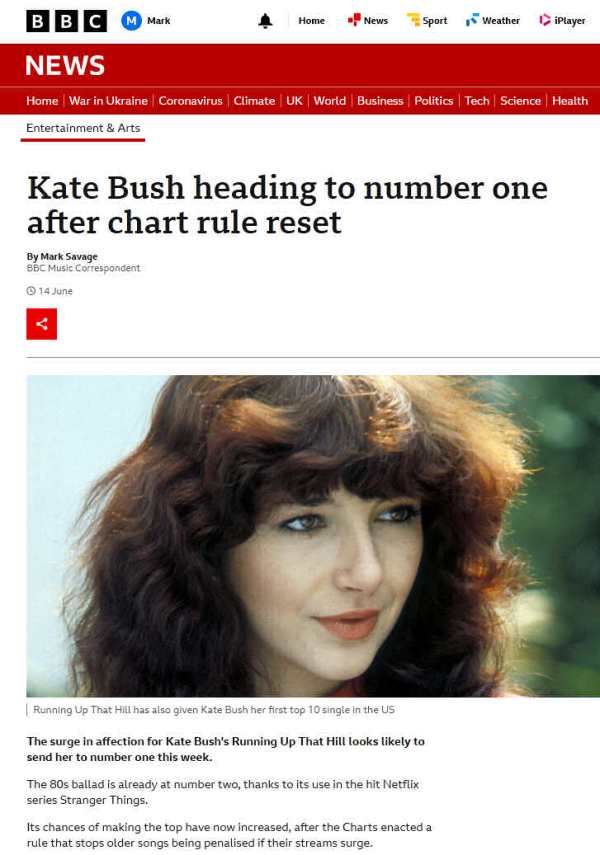
Harry Styles lost what should have been another two weeks at Number One to a song that wasn’t even selling in record shops, but simply being ‘streamed’!
Once again, the culture being hijacked to suit the whims of the white Home Counties Guardian reading middle classes.
The Fairy Realm – Ready For Use
This has been something worked on for some time when time allowed.
The Fairy Realm was something of a sore point – a few years ago muggins was one of those who helped stress test it (okay, was roped into it …), and to put it bluntly put aside stuff I’d rather have been doing.
But … greater good and all that kek.
The ‘reward’ for doing so was being dissed off by sleight of hand (publicly thanking us but not publicly thanking us all at the same time – just because she was afraid doing so would offend her creepy deviant friends who didn’t even help her test said Sims 3 World – go shitting figure!) – because of that other blog I’m involved with.
Hence neither of us bothered to review it or mention when it finally did come out. Showing we could act all grown up too.
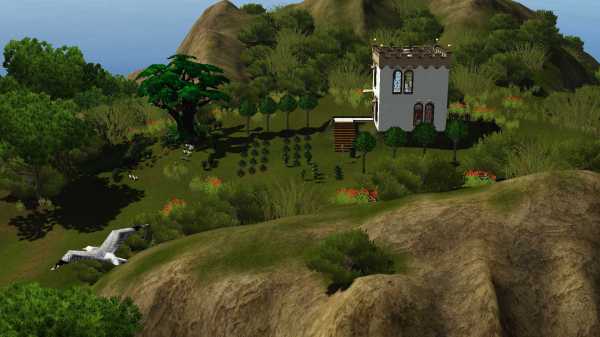
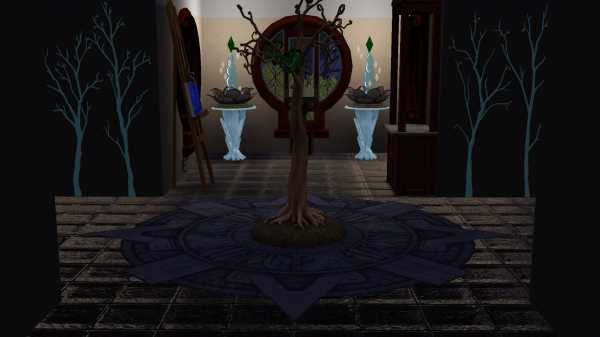
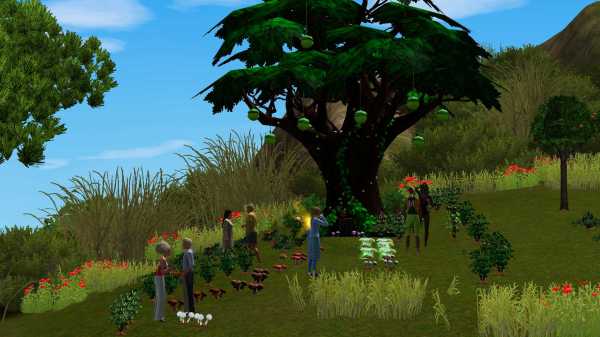
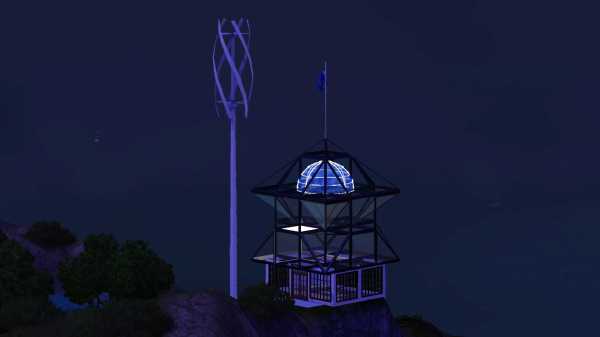
But …. have finally returned to finish what I always wanted to do with this place. Have added all the lots that Crowkeeper bothered to make for it, recoloured another older one with the correct Fairy Realm wall and roof colour scheme, added rabbit holes from Dragon Valley which went with it, and made a few new ones.
Less is more with this world, letting the sweeping space and the beauty of the landscape be in the ascendancy rather than builds.
Here’s the screenshots.
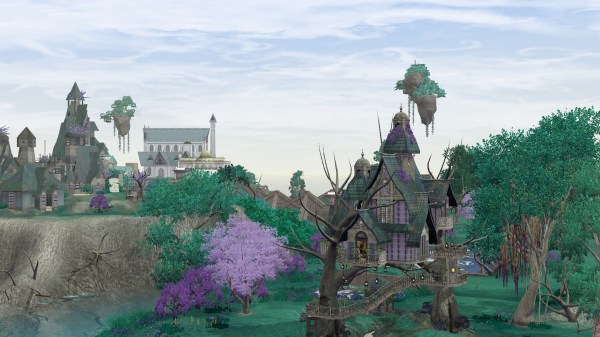
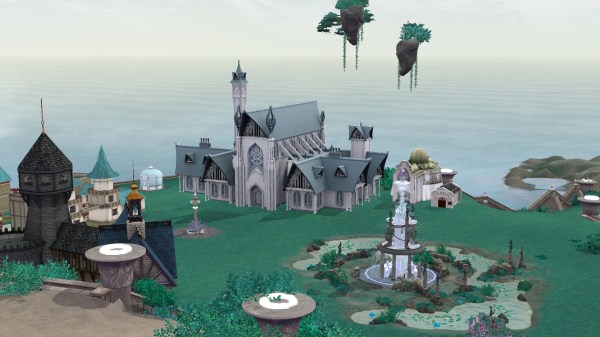
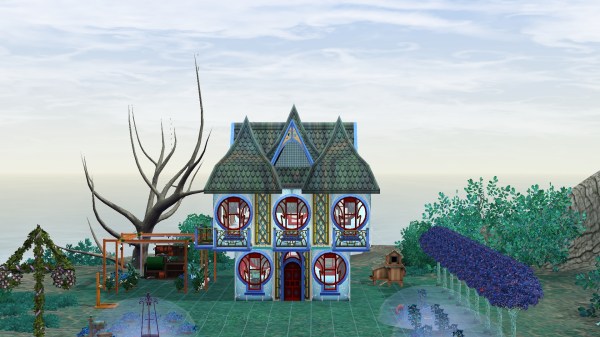
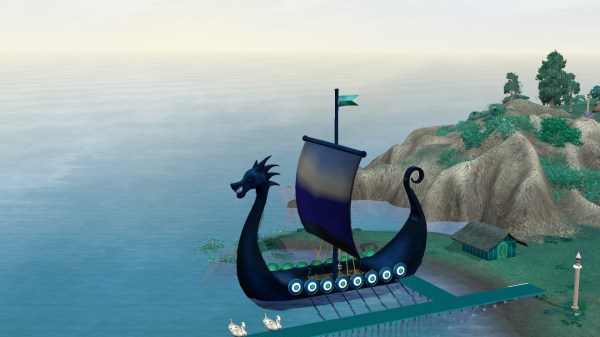

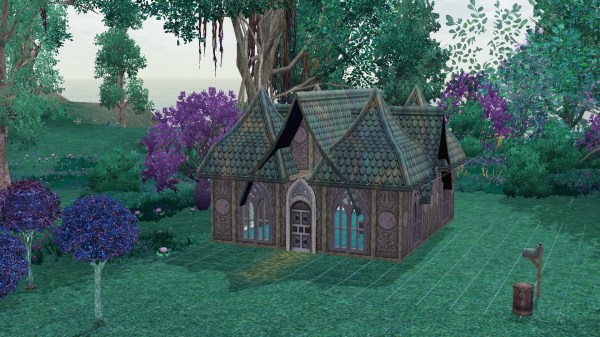
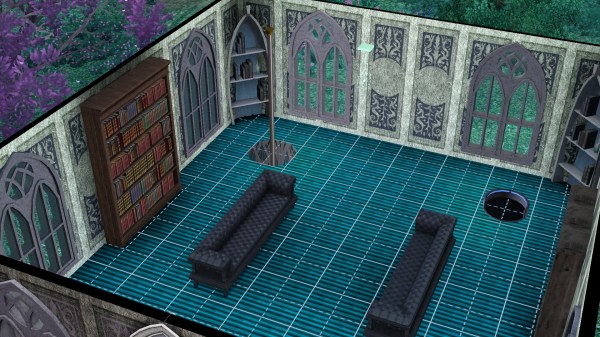
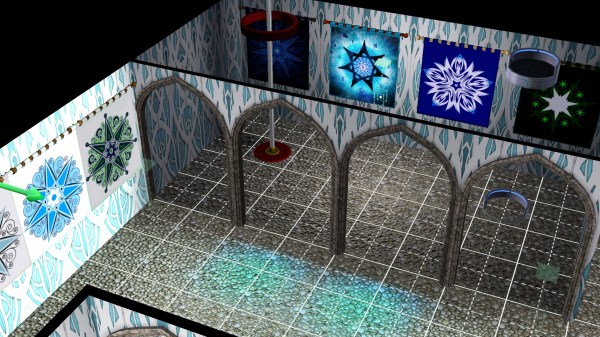
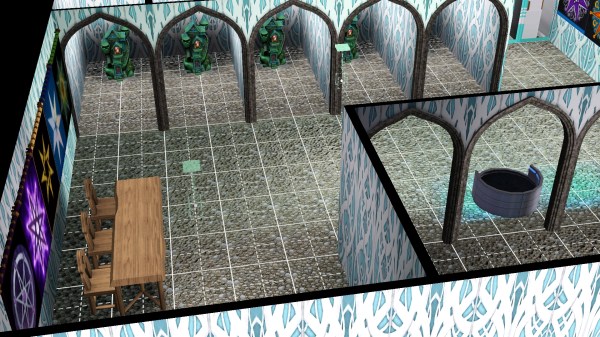
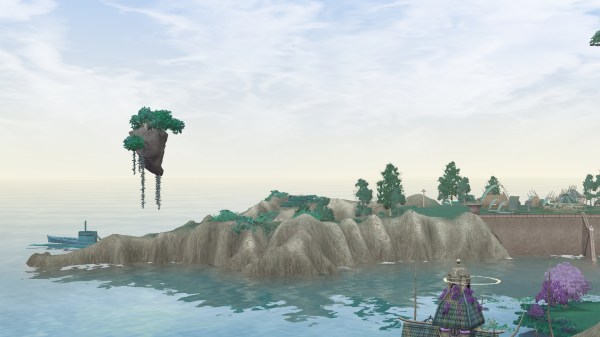
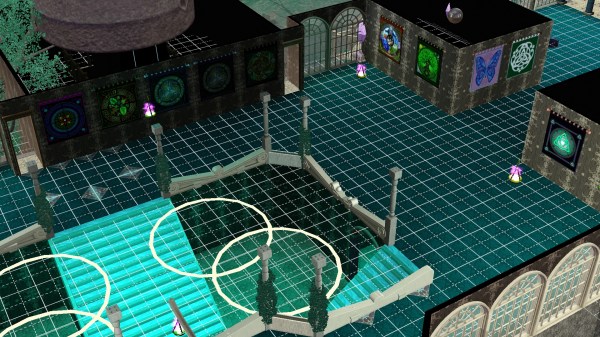

Ah yeah, alternative boats at the dock – one’s a Viking Drakkar, the other is a submersible those on the Fairy Realm have raised from the seabed and put back into secret use.
Reckon I’m gonna have fun with this!
Let’s Eat Grandma: Music’s Never-Were-Bes (Let Alone Hasbeens) Before They’re Twenty Three Years Old?
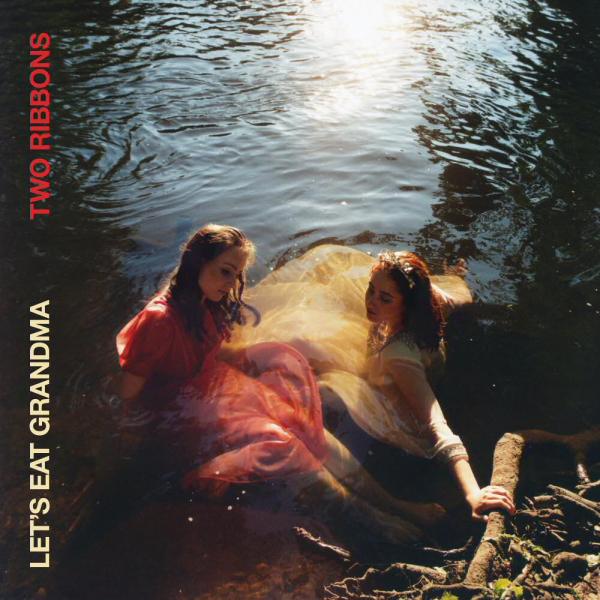
Let’s Eat Grandma released their first single of the new year, called, appropriately enough, ‘Happy New Year’ – a taster from their new album ‘Two Ribbons’ due in April.
Like the other two taster singles for the new album, it failed to even make the Indie Chart. Six years since their debut, this is beyond an alarm bell ringing stage. This is an act on its way out unless they do something to turn their fortunes around in a fickle industry.
To no one’s surprise, news also came out that all had not been well in Camp LEG: to wit, an estrangement between the protagunists Jenny Hollingworth (the one that looks like Beckii Cruel in her younger days) and Rosa Walton (the one that used to look like the evil twin of Saoirse Ronan), the childhood friends going through their very own Ghostworld fraying of the ties between them.
The official line was boys, or rather a boy – now dead – but with the last two singles being first Jenny’s take on their fraying friendship and now Rosa’s, it’s pretty clear that the main problem is vast musical differences have emerged. That is more often than not the fatal blow in any musical combo, and bar a miracle, Let’s Eat Grandma will be lucky to survive until the summer, let alone the finish of 2022.
How did it come to this? Back in the summer of 2016, Let’s Eat Grandma had sneaked out the weirdest, most original album music had saw for a long, long time, from two teen weirdos in Norfolk who could have given the Carrow Twins from Harry Potter a run for their money in being unsettling despite behaving normally.
Their ‘psychedelic sludge-pop’ – a euphemism for chucking in all the sort of stuff they liked and who cared if it complimented each other, folk, electronica, punk, prog, goth, and the sort of kiddie music They Might Be Giants bankrolled their career survival on – wasn’t wholly original, but the way they went about their work most certainly was, throwing out the rule book on what made for a song not seen since the heyday of Cardiacs.
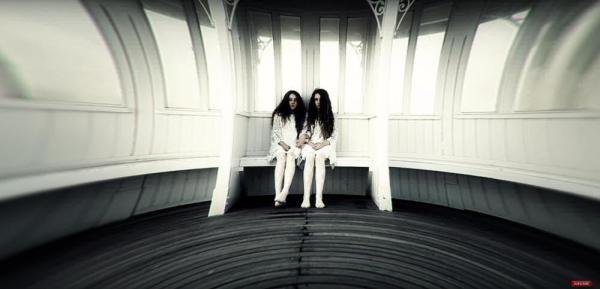
There was an unworldliness to the gruesome twosome which only Norfolk – the land of Black Shuck and Dorothy Walpole Townshend – could have produced. The critics’ favourite, ‘Deep Six Textbook’ – all fairy glockenspiel and organ chords of impending doom, broken only by a long, lonely sax call like a ship’s horn in the fog – sounded like the soundtrack for a BBC Ghost Story For Christmas. It served as both a welcome and a warning to those about to embark on first listening their debut album, ‘I, Gemini’ – listen and we hope you enjoy, but don’t blame us if you find yourself disturbed.
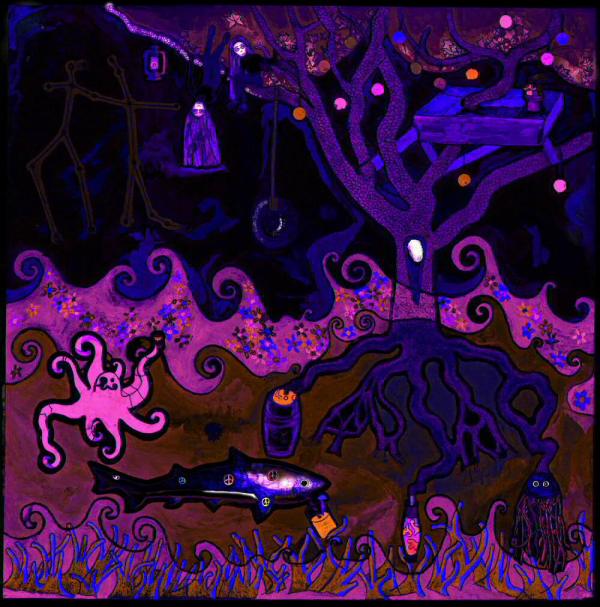
The nearest they had to a mainstream track was the exuberant bouncy ‘Eat Shittake Mushrooms’, and even it had a video featuring a lonely shopkeeper who looked like he expected the girls were there to ritually sacrifice him. Let’s Eat Grandma were the creepy kids from the quiet town everyone had warned you about, but that was the way we liked them – so long as a respectable distance was kept.
Unfortunately, others wanted them to be in an entirely different light, a more predictable one. That was where the band began to stoke itself up its problems for the future.
The history of music is littered with naive young bands manipulated into radically changing their style and sound by career management and record company ‘expertise’ (and anyone who thinks indie labels’ are less Machiavellian in practice than their major counterparts is soon disabused).
The logic is a cynical gamble that the reflex purchases of the old fans, added to the enthusiastic new fans be enough to catapult their artistes into mainstream prominence, thus product exposure, thus even more new fans over and above those the band has now royally pissed all over.
More often than not, it doesn’t work: but if you’re a busy record company or management group, the law of averages suggests you can pull it off the few times required to make the returns worthwhile – few non-criminal industries offer such massive returns on their investment if successful. After all, it’s not the record company or talent agency whose name becomes mud with the public if it all goes wrong, they can go out and simply find another artiste to replace the one the public’s now turned its back on decisively.
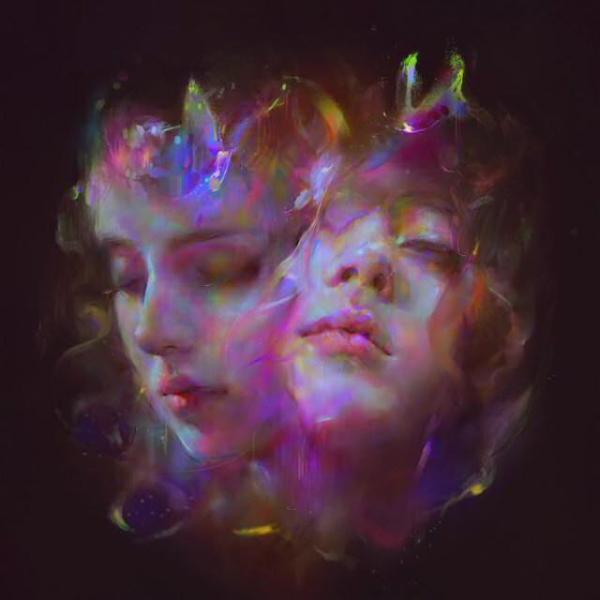
The band made No.29 in the UK mainstream music charts and got the Q Album of the year for the follow up album ‘I’m All Ears’. But it only charted for one week, and Q Magazine was by now reduced to handing out gongs to people it was confident would actually show up for their awards ceremony (it lasted only one year later before filing for bankruptcy).
Like all albums, it had sold largely on the back of auto-purchases from those delighted with the previous one – and this new over chart-friendly effort alienated irretrievably almost their entire pre-existing fanbase in one stroke.
Matters weren’t helped by the band making unsubstantiated claims about creepy old men at their gigs (ironic considering they’d no qualms about dressing skimpily for bizarre ‘fashion shoots’ in magazines who were supposed to be interviewing them about their music), insinuating there had been something lecherous about their initial fanbase. Ask the Jesus and Mary Chain about the fate of musicians – never mind bands – which disparage the very ones putting bread in their tin.
It was even more embarrassing, in fact downright hypocritical, considering the video for ‘It’s Not Just Me’, seeing them dressed in skimpy t-shirts and shorts attempting to dance in a manner which suggested the producer had been given a single remit – ‘maximise tits bouncing’. With its shots of vapour trailing jumbo jets and sunsets by the sea, it evoked all the worst ‘aspirational’ videos cliches when musicians are part of a ‘package’ sold to consumers eminating the lifestyle status the record buyer craves, whether the pretend romantic relationship of the boy bands to the mulish gangsta trappings of the rappers.
Let’s Eat Grandma had lost their way – and how!
A large part of the problem was, far from wishing to express themselves, in interviews they appeared all too ready to rhyme off parrot fashion dated pop culture platitudes aimed at pleasing whatever Transgressive Records and their management company deemed to be their target audience that week, largely from what was trending on Twitter.
In doing so, they compromised the very essence of what had made them so good in the first place – not being like every other artist making the same old computerised santitised music to the same old formulae and spouting the same pretentious sixth former soundbites about current affairs in the hope of trending on Twitter for fifteen minutes. If you truly wish to irritate today’s average music fan, preach about Black Lives Matter, Climate Change and all those other worthy causes (to middle class middle aged journalists who last bought a record when Michael Jackson was still alive) to people who are merely looking for three minutes of escapism from the anxiety and misery of their own existences, and were hoping instead to hear about your next record.
The Guardian newspaper – with no hint of shame – moralised last 12th November ‘Some critics couldn’t believe that two Norwich college girls had made this fantastically inventive music without a bloke pulling the strings’ – a rumour The Guardian was almost wholly responsible for propagating in the first place by continually running up this charge in every interview with the girls. No one who had witnessed the band’s antics live was in any doubt who was responsible for their music, and on each occasion The Guardian has been challenged to name names as to these ‘critics’ responsible, there’s been a silence as ominous as the fade of the gentle accordion intro before the farting saxaphone of ‘Sax In The City’.
What made it even more ironic was this new material appeared to be little more than Let’s Eat Grandma being used as a template to showcase the ‘talent’ of other Transgressive Records artistes they thought had better earnings potential by making them their producers and mixers – which went a long way in explaining why ‘I’m All Ears’ was a musical clusterfuck of gargantuan proportions.
For all the good it did anyone: one, so-called ‘hyperpop pioneer’ Sophie Xeon killed itself last year falling off a balcony in Greece whilst on a Covid regulations busting holiday and being out of their face on whatever at the ripe old age of thirty four. It may have made for a headline on the BBC online, the vast majority of people outside of the deceased’s family and friends were completely nonplussed as to who this ‘highly influential’ person was. It was certainly never reflected in any record sales attributed to them at any rate.
With friends like that, who needs enemies, and the girls have been appalling in their choices over the last few years little helping their corner. Quite aside from The Guardian, they nailed their colours to the Jeremy Corbyn mast a mere few weeks before his ‘problem with Jews’ and creepy obsession with surrounding himself with more nubile young girls than a Delphy wet dream for public events (a favourite of totalitarian regimes where leaders are frequently shown surrounded with attractive young women as a means of cementing their ‘alpha male’ credentials and thus fitness to rule the proletariat), which only made their claims about part of their old audience all the sillier.
It even got to the stage the band hired a drummer for a tour who played about two to three songs per gig if he was lucky, the rest of the time it was back to the drum machine. That the drummer was black was less than a coincidence – the worst kind of Uncle Tom tokenism c/o some Penelope from public school in her first job in public relations’ diktat, deciding the band was ‘too white’ and therefore by what passes for logic today in danger of being labelled ‘nazis’ if they didn’t put on some sort of black solidarity showpiece. (‘Well they are from Norfolk after all, and everyone knows everyone there are all fox-hunting Tories out there, don’t they?’) Everyone in the London metropolitan bubble that regards everywhere outside of it as barbarian lands punctured by the occasional ‘exotic’, that is.
Then Jenny Hollingworth’s boyfriend of all of two years died of cancer. She told The Guardian “Billy was not only my boyfriend but also my best friend who inspired everything that I do, and I feel completely devastated to have lost him.”
Just a bit of a kick in the teeth to Rosa Walton, her actual best friend. Or was. Which may explain why the latter made music for the Cyberpunk 2027 video game on her own.
Walton also came out as bisexual, which would automatically have introduced a tension into their previously close friendship from the unspoken but obvious implication that Walton may have for some time wanted to be more than friends. That some of the terseness from her towards Hollingworth may have been sourness to the latter being more than friends with any number of relative male strangers but not her closest confidante of nineteen years. You could hardly blame her.
Then came the COVID lockdown, and whilst other artistes were finding ways to keep the momentum going to their careers, all LEG were managing were once a blue moon updates on Twitter, at the very moment in history people had more time to kill and were open to suggestions of ways to fill it. Whilst Walton and Hollingworth indulged in private grieving or sulking, the world moved on without them – even the wallies of ageing punks Kunt And The Gang managed to get two two ten singles in the UK Charts.
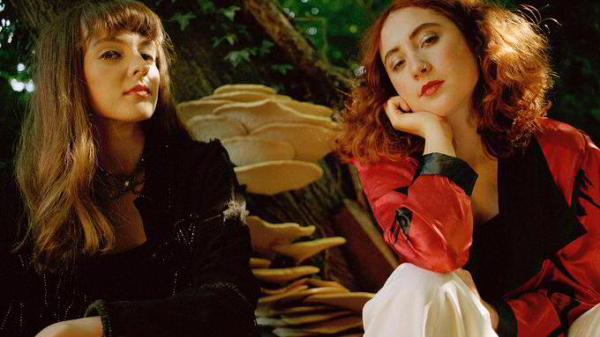
Last September, ‘Hall Of Mirrors’ was the band’s first new material – let alone single – in three years. Despite a BBC special and predictable sycophany from The Guardian and other ‘woke’ media reflex white knighting young women they’d like to fuck, the single stiffed, just as the next two for the album were doomed to be, and the disastrous choices of those meant to be looking after their careers as much as themselves appears to have left Let’s Eat Grandma finished before they’d even reached the ages of 23.
Jenny’s new songs appear to have more in common with Belle and Sebastian than the blip-blop 90s computer game tunes of Rosa’s being done already by hundreds of other artistes in an oversaturated market where all sound the same. Once a not so long ago, they could have put the two styles together and made something clever and new. Not any more. Something has died between them, and it doesn’t appear judging by these first three tracks they’re really all that interested in resurrecting it.
Yet their only way out of their rut is rediscovering the music they made together in the way they made it together, on their own terms, not to anyone else’s template. But it appears it’s too late for that to happen. Events are going to take its course, and Norfolk’s best musical hope for decades is doomed – no one wants to release music from those whose music no longer sells.
Oh well, at least there will always be ‘I, Gemini’ and the memories.
Drink Honningbrew Mead And Forget All Skyrim Life’s Cares – Like Being Mauled To Death By Bears
Skyrim Anniversary Edition is a brilliant overhaul of an already classic game (and worth every penny of the £15 extra), but some parts don’t change, such as uninterruptable NPC dialogue sequences from some skeet (usually the courier) at the same time a bear decides to make a snack of you.
At least this time, on the road from Dragon’s Bridge to Solitude (yep, coming back from finding King Olaf’s Verse), the bear was distracted enough by three too drunk to care they were in mortal danger.
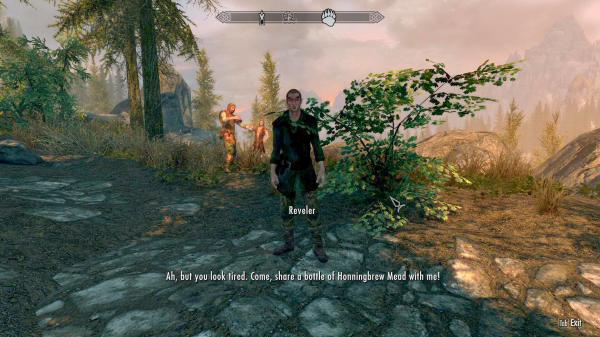
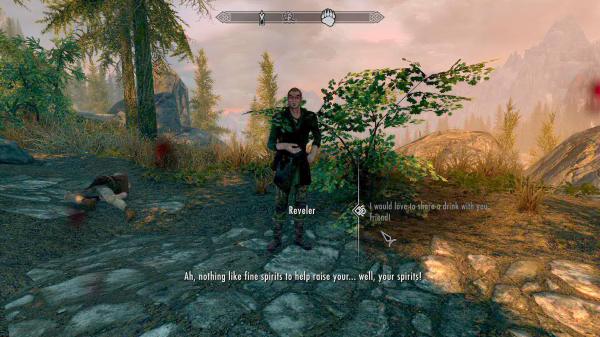
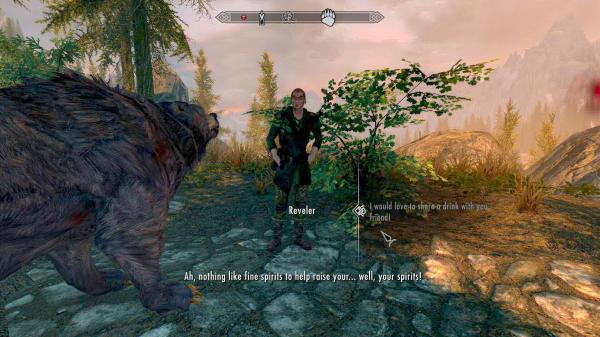
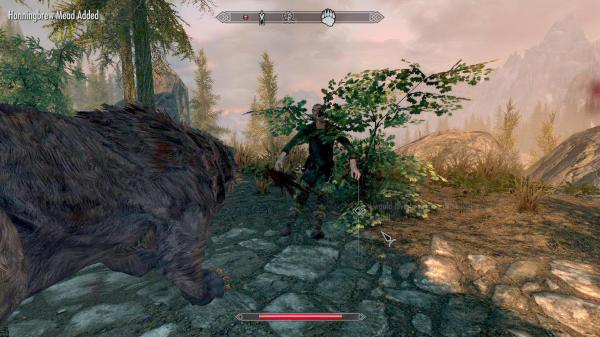
Oh well, suppose the Sovngarde Mead Hall was more where they belonged anyway.
Some Fun In Sa Pineda
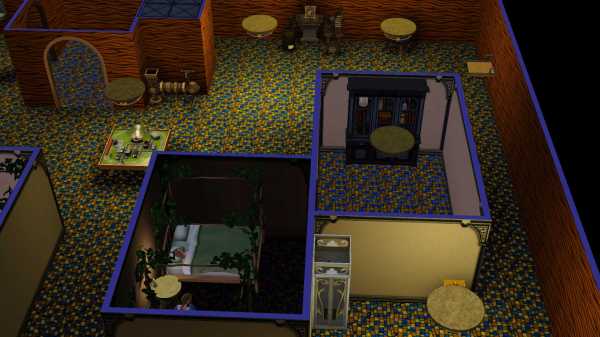
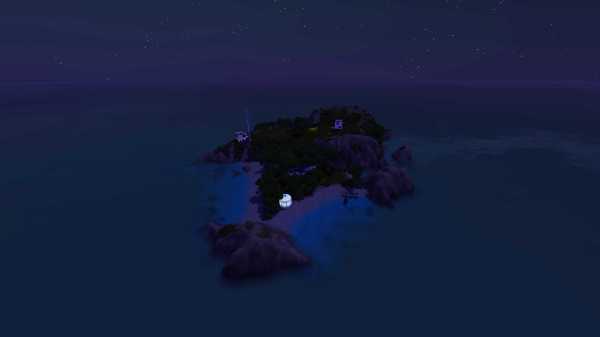
Been doing some stuff with Nilxis’ neat little island for a while. Here’s a quick look.



 AA42
AA42 AA6x7
AA6x7 The Mare's Nest
 6s & 7s
 Skeletal Screams Blogspot
 Jazz-Hands